
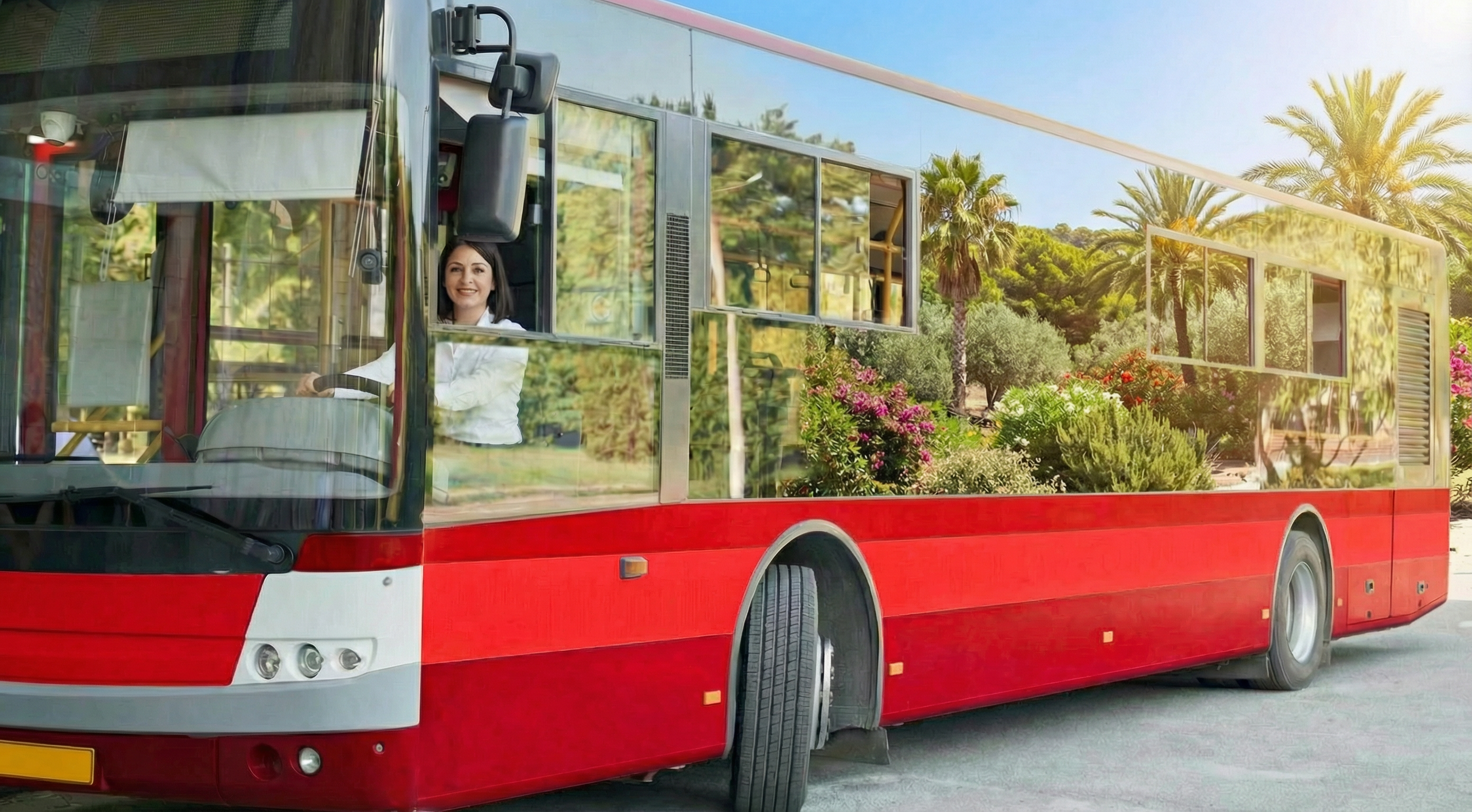
Mallorca, the largest of the Balearic Islands, is a paradise for beach lovers, culture enthusiasts, and adventure seekers alike. While many visitors still opt to rent cars to explore its stunning landscapes, the island’s public transport system offers a convenient, eco‑friendly, and increasingly free way to get around. Especially since mainland‑style ticket prices now largely apply only if you pay cash, while travel with the Single Public Transport Card covers buses and trains for no additional fare. Whether you’re planning to stay in Palma or venture to the island’s more remote corners, understanding the public transport options available can make your trip smoother and more enjoyable. Let’s dive into the ins and outs of getting around Mallorca without a car.
Public Buses: The EMT and TIB Networks
Mallorca’s public bus network is divided into two main systems: the EMT (Empresa Municipal de Transportes) for Palma and its immediate surroundings, and the TIB (Transport de les Illes Balears) which covers routes outside the city, connecting Palma to the rest of the island.
EMT Buses in Palma
The EMT bus service operates within Palma, making it easy to move around the city without a car. The network is well‑developed, with more than 30 routes that serve key destinations such as Palma Airport, the main bus and train station Estació Intermodal, and popular beaches like Playa de Palma and Cala Major.
- Ticket prices (cash): A single EMT ticket in the urban zone is typically around €2, while dedicated airport routes (such as A2) cost around €5 per single trip.
- Free travel with card: Since 2025, and continuing into 2026, regular EMT‑bus journeys are free of charge when paid via the Intermodal or new Single Public Transport Card, as part of Mallorca’s fully subsidized public‑transport policy in the Balearic Islands.
- Timetables: Buses run frequently, especially on popular routes, with services starting as early as 6 a.m. and running until around midnight on most lines.
- Airport connection: Dedicated airport‑line buses (e.g. A2 and similar routes) connect Palma Airport directly to the city centre and the main bus/rail hub, offering a simple, affordable alternative to taxis or car rentals.
TIB Buses: Exploring Beyond Palma
If you’re looking to explore more of Mallorca, the TIB bus network is your best friend. It covers the entire island, from the Tramuntana Mountains to coastal towns like Alcúdia, Cala d’Or, and Santanyí.
- Ticket prices (cash): Prices vary based on distance and can range from about €3 for short‑distance trips to around €10–€13.50 for longer journeys on some interurban routes.
- Free travel with card: With the Intermodal or Single Card, all regular TIB‑bus trips (within regional zones) are free, as long as the card is correctly validated.
- Major routes: Popular TIB routes include buses to Valldemossa, Sóller, Santanyí, Cala d’Or, and ski‑like winter‑season services to mountain interior villages.
- Seasonal services: During the summer, TIB adds extra buses to popular beach destinations such as the scenic Es Trenc, Cala Mondragó, and the panoramic Cap de Formentor area.
Trains: A Scenic and Efficient Option
Mallorca’s train system is less extensive than its bus network, but it offers some scenic routes that are well worth taking. The primary service is operated by Serveis Ferroviaris de Mallorca (SFM), which runs from Palma’s Estació Intermodal to the towns of Inca, Sa Pobla, and Manacor.
Popular Train Routes
- Palma to Inca: This is one of the most popular routes and takes you through the agricultural heart of the island. Inca is known for its leather‑goods market and charming old town.
- Palma to Manacor: This longer route reaches the eastern town of Manacor, the birthplace of tennis legend Rafael Nadal.
Tickets and Cards
- Ticket prices (cash): Standard one‑way tickets on SFM trains typically fall in the €1.60–€4.10 range depending on the distance and tariff zone, with return journeys roughly double that.
- Free travel with card: As with EMT and TIB, SFM‑train journeys are free when you use the Intermodal or Single Card, in line with the Balearic Islands’ broader “zero‑fare” public‑transport policy through 2026.
The Historic Sóller Train
No guide to public transport in Mallorca would be complete without mentioning the vintage Sóller Train. This narrow‑gauge wooden train has been running since 1912 and connects Palma to the picturesque mountain town of Sóller, winding through the stunning Tramuntana Mountains World Heritage landscape.
- Experience: The journey takes about one hour and is a scenic highlight in itself, passing orange and olive groves, cork oaks, and rugged mountain scenery along more than ten 19th‑century‑style tunnels and stone bridges.
- Ticket prices (cash): As of 2026, a one‑way ticket generally costs around €22–€23, while a return ticket often ranges from about €30–€40, depending on season and offer. Combination tickets with the Sóller Tram or boat services can total roughly €35–€40.
- Note on subsidies: Unlike EMT/TIB/SFM routes, the Sóller Train is not included in free‑travel schemes and continues to be operated independently, so regular ticket prices still apply.
Trams: The Sóller Tram
Once you’ve reached Sóller by train or bus, you can hop on the heritage Sóller Tram to travel the final stretch down to Port de Sóller along the coastline.
- Experience: The tram ride takes about 10–15 minutes and offers panoramic views of the sea, mountains, and Sóller’s dramatic bay.
- Ticket price (cash): A one‑way tram ticket now typically costs around €9–10, with children’s fares often slightly lower. Combination tickets with the Sóller Train are usually better value for a full‑day visit.
Biking and Walking
Mallorca is also very bike‑friendly, with dedicated cycling paths throughout Palma and along coastal stretches such as Can Pastilla–Arenal–Cala Bona and parts of the Camí de Cavalls. Many visitors rent bikes to explore the city, while more adventurous cyclists head into the Tramuntana Mountains via signed routes and pass‑tunnels on the TIB bus‑supported bike‑transport network.
The island’s old towns and villages are highly walkable, with narrow streets, squares, and local shops best enjoyed on foot. From Palma’s old‑town alleys to the hillside streets of Valldemossa and Deià, walking lets you soak up the atmosphere at a relaxed pace.
Final Tips for Public Transport in Mallorca
Here are some practical tips to make the most of Mallorca’s public‑transport system in 2026:
Use the apps:
EMT Palma’s app („Bus EMT Palma“) and the TIB/SFM tools let you check live timetables, route maps, and ticket information on the go. Some apps even support contactless or QR‑ticket purchase.
Get the right card:
If you’re staying on Mallorca for more than a couple of days, the Intermodal Card or new Single Public Transport Card is an excellent investment. With this card, buses and trains on the island are free, and it is widely promoted as the main local payment method for all public‑transport modes.
Avoid peak congestion:
While the buses and trains are generally reliable, they can get crowded during rush hours and summer weekends. In busy periods, it’s wise to allow extra time or check the app for real‑time occupancy.
Plan summer trips in advance:
On high‑season days (especially July and August), extra‑capacity buses to Es Trenc, beaches in the east, and popular mountain routes may operate on adjusted timetables. Booking tickets ahead on official sites or using the app helps avoid queueing