
Exploring Mallorca’s Wine Tasting Scene: A Guide to the Island’s Best Vineyards
Mallorca, known for its stunning landscapes and crystal‑clear waters, is also home to a growing wine region that is gaining international attention. With a unique Mediterranean climate and native grape varieties such as Manto Negro and Callet, the island produces characterful red, white and rosé wines that are well worth discovering. Whether you’re a seasoned wine lover or a curious beginner, this guide will help you plan unforgettable wine tastings in Mallorca and show you how mallorcard can help you find great value deals along the way.
Why go wine tasting in Mallorca?
Local grape varieties: Indigenous grapes like Manto Negro, Callet, Moll and Giró Ros thrive in the island’s DO regions Binissalem and Pla i Llevant, creating wines with a clear sense of place.
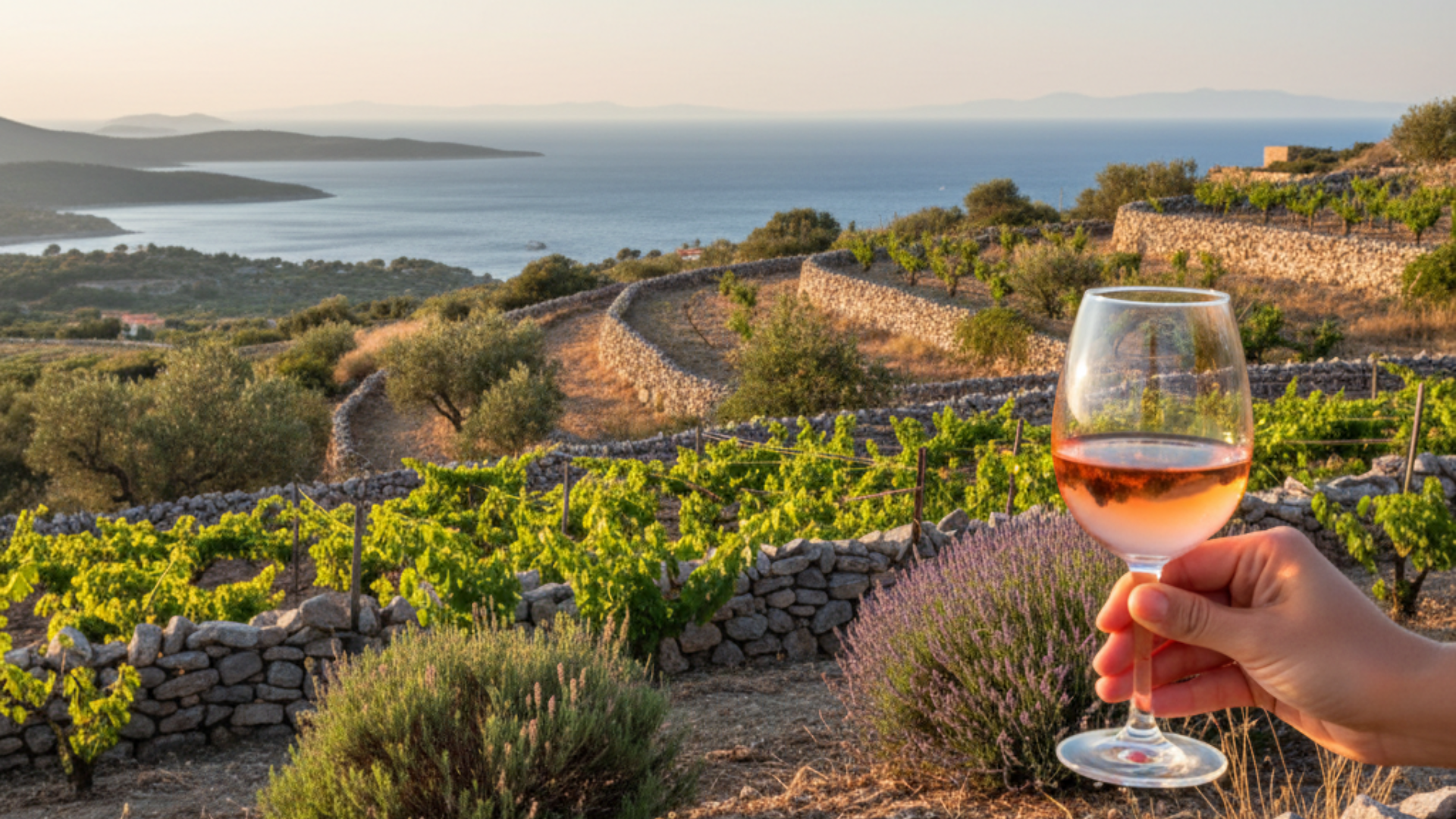
Beautiful settings: Many bodegas are surrounded by vineyards, stone villages and views of the Serra de Tramuntana or rolling countryside, making each tasting as scenic as it is delicious.
Long wine tradition: Wine production dates back to Roman times and has been revived and modernised in recent decades, blending historic estates with innovative smaller producers.
Mallorcard advantages: With mallorcard you can discover selected partners offering special prices on tastings, vineyard tours and food‑and‑wine experiences, so you get more value from each visit.
Top wineries to visit in Mallorca
- Bodegas Ribas (Consell)
Bodegas Ribas, located in Consell, is widely recognised as the oldest winery on the island, with roots back to 1711 and more than ten generations of winemaking history. Visitors can tour the historic cellars, walk through the vineyards and taste a selection of wines often paired with local cheeses and cured meats.
- Bodegas José L. Ferrer (Binissalem)
In the heart of the Binissalem DO, Bodegas José L. Ferrer produces a range of award‑winning wines that showcase local varieties, especially Manto Negro in the reds. Guided experiences typically include vineyard walks, cellar visits and structured tastings, making this an excellent introduction to Mallorca’s wine heritage for first‑time visitors.
- Bodega Son Artur (Sencelles area)
Bodega Son Artur, in the Sencelles area, focuses on organic viticulture and small‑scale production. Tastings often highlight limited bottlings alongside Mallorcan snacks, allowing you to explore a more artisanal side of the island’s wine scene in a tranquil rural setting.
- Bodegas Suau (Algaida)
Bodegas Suau, near Algaida, is known for its commitment to quality and sustainability, working with both local and international grape varieties. Visitors can sample structured tastings, learn about the estate’s approach and enjoy views over the surrounding countryside.
- Bodega Viñas de Porreras (Porreres)
In the Pla i Llevant area, family‑run estates such as Viñas de Porreras offer more intimate, personalised tastings. Here you can speak directly with the owners, walk among the vines and taste full‑bodied reds and fresh whites that reflect the eastern part of the island.
Key wine routes in Mallorca
Binissalem Wine Route
The Binissalem DO, protected by the Tramuntana mountains, is the oldest and best‑known wine appellation on the island. Starting from the town of Binissalem and nearby villages like Santa Maria, Consell and Sencelles, you can visit several bodegas in one day, taste wines dominated by Manto Negro and look out over miles of vineyards.
Pla i Llevant Wine Route
The Pla i Llevant region covers vineyards in the central plain and eastern part of Mallorca, around towns like Felanitx and Porreres. Here you’ll find a mix of traditional and modern wineries producing reds, whites and rosés with both local and international grapes, often in a quieter, more rural atmosphere than the busier tourist areas.
Practical wine tasting tips (and how mallorcard helps)
Book in advance: Many wineries require reservations for tours and tastings, especially in peak season, so it’s smart to check their websites or book via trusted tour providers.
Mix different styles of winery: Combine a larger, more classic estate in DO Binissalem with a smaller, experimental or organic bodega for a broader impression of Mallorcan wine.
Pair with local food: Tapas, Mallorcan cheeses, sobrasada and olive oil tastings bring out the best in local wines and are often included or available as an upgrade in tasting packages.
Stay hydrated and plan transport: Drink water between tastings, and consider using organised wine tours or a designated driver so you can relax and enjoy the wines safely.
Use mallorcard.es for added value: With mallorcard you can look out for partner offers on selected wine tours, tastings and food‑and‑wine experiences, sometimes combining vineyard visits with transport or other activities at a reduced rate.
Conclusion
Wine tasting in Mallorca is a relaxed, authentic way to experience the island’s landscape, history and flavours beyond the beach. From historic estates like Bodegas Ribas to modern organic projects and scenic wine routes in Binissalem and Pla i Llevant, there is plenty to explore for every kind of wine traveller. By planning ahead and checking mallorcard.es for current deals and discounts on winery visits, tastings and tours, you can enjoy more of Mallorca’s wines, discover hidden gems and make the most of your time on this enchanting island.